Advocacy Committee
Advocacy Committee Goals
To provide education and resources to promote increased knowledge and awareness for participation in advocacy activities that enhance rehabilitation healthcare and the lives of individuals with SCI/D.
Grassroots Advocacy
The Advocacy Committee has been pursuing grassroots efforts by creating user-centric pamphlets and mobile applications. Grassroots advocacy involves citizens personally affected by an issue by planting the seeds of concern and thus embraces self-advocacy through empowerment and support. It includes organizing, mobilizing, and engaging the public to advocate for themselves. To be able to self-advocate, the person must have knowledge about what their options include.
ASCIP Takes a Stand on Important Legislation!
ASCIP is committed to advocating for policies that improve healthcare access and quality. We encourage you to join us in raising your voice on the following issues:
ASCIP Strongly Supports:
- Telehealth Expansion: ASCIP supports the Connect for Health Act (S2016/HR4189), which aims to continue the status quo on telehealth services (which is an expansion from pre-COVID). Telehealth offers a convenient and effective way for patients to receive care, especially in underserved areas and those with mobility impairments.
ASCIP Strongly Opposes:
- H.R. 3227 and H.R. 8244: These bills propose automatic waivers for staffing requirements in skilled nursing facilities. ASCIP believes these waivers could compromise patient safety and well-being.
- H.R. 468: This bill seeks to reduce training requirements for nursing assistants. Skilled nursing facilities rely on well-trained staff to provide quality care. ASCIP opposes any legislation that could weaken these crucial training standards.
Make Your Voice Heard!
Let your Congress members know where you stand! Visit Democracy.io to find your representatives' contact information and feel free to use the following sample texts to copy and personalize.
Together, we can make a difference!
Don't Give Up on Getting the Equipment You Need!
ASCIP understands the importance of having access to the right medical equipment and devices to maintain your health and independence. However, navigating insurance coverage for these items can be frustrating.
Here's some information to help you:
If you're having trouble getting coverage for:
- Transanal irrigation (TAI) systems: ASCIP supports medicare coverage of TAI and is working closely with other advocacy organizations to move the needle closer to medicare coverage of TAI. These systems can significantly improve quality of life for those managing neurogenic bowels. Check your insurance policy details regarding Durable Medical Equipment (DME) coverage. You may need a doctor's referral and prior authorization. We have a sample letter that may be useful in attempting to get insurance coverage for TAI.
- Custom power and manual wheelchairs: Custom wheelchairs are often medically necessary for individuals with specific needs. Again, refer to your DME coverage details and speak with your doctor about obtaining a prescription. We have provided some useful information to provide to your doctor to assist in obtaining this much needed equipment:
- Urological supplies: Catheters, drainage bags, and other urological supplies may be covered under your insurance plan. Contact your insurance provider directly to understand specific coverage guidelines and requirements. Click here for some useful information to provide to your doctor to assist in obtaining this much needed equipment.
Home Health Coverage Nuances:
- Medicare: Medicare Part B (outpatient/medical insurance) may cover some home health services and medical equipment, but it typically requires a doctor's certification of medical necessity. Our pamphlet on home health coverage could assist you in understanding the nuances to what is and is not covered by Medicare
- Private Insurance: Coverage for home health services and equipment varies widely between private insurance plans. Carefully review your policy details to understand what's covered, pre-authorization requirements, and potential co-pays or deductibles. Often private insurance coverage is similar to Medicare so understanding nuances may be useful.
If you're a Veteran
The VA offers comprehensive healthcare benefits, including coverage for medical equipment and devices related to service-connected disabilities or catastrophic injuries. Here is some useful information to assist you in your journey to independence.
Remember, you have a right to understand your insurance coverage. Don't hesitate to appeal denied claims and advocate for the equipment you need.
Get Back to Work with Confidence: Resources for Individuals with Spinal Cord Injuries (SCI)
A spinal cord injury (SCI) can significantly impact your life, but it doesn't have to limit your career aspirations. Many individuals with SCI successfully return to work and lead fulfilling professional lives. ASCIP provides this pamphlet with valuable resources to empower your job search journey.
Resources
Advocacy Webinar
"Reduce the Overwhelm of Health Advocacy: Taking it One Step at a Time"
Committee Leadership

Jeff Berliner, DO

Ellia Ciammaichella, DO, JD

Becky Thayer, MSN, RN, CRRN
Committee Members
Megan Anderson, MS, OTR/L

Alex Bennewith, MPA

Anne Bryden, PhD, OTR/L

Alex Chesney, OTR, ATP/SMS
Marguerite David, LCSW
Matthew Davis, MD

Christina Draganich, DO
Alexi Emerick, MOT, OTR/L

Sigmund Hough, Ph.D., ABPP/rp

Kathy Hulse, LCSW, CCM
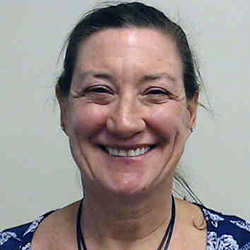
Julie Koeppe, M.Arch, BSN, RN
Todd Linsenmeyer, MD

Jon Rose, PhD
Advocacy Committee Task Force
David Balsam

William Carter
Pierre Clay
Malorie Heinen
Trevor Hudson
Sharon Kemp

Emma Kobs, OTR/L
Andrea Leyton-Mange, MD
Cassie Renfro

Tanisha Toaston, DO
Angela Vrooman

Roxanne Wasmer, LCSW, CCM